
Texting with Patients: How to Do It Safely and Effectively
Have you ever said…
“If only I had someone to ask!”
Each month, we tackle real questions from clinic managers, healthcare providers, and privacy officers inside Practice Management Success.
This month’s question:
Can you text your patients?
The short answer is:
Yes.
The better answer is:
Yes—but only if you do it thoughtfully, with the right safeguards in place.
Why This Matters
Texting is no longer “new.”
Patients expect it.
Staff rely on it.
And many EMRs now offer built-in messaging tools.
But here’s the problem:
👉 Texting is not always a secure communication method.
It’s difficult to:
- Confirm who is sending or receiving the message
- Control where the message is stored
- Prevent miscommunication or disclosure
That means one quick message can turn into a privacy breach or medical error.
Start With Purpose (Not Technology)
Before you implement texting, ask:
Why do we want to use it?
Common reasons include:
- Appointment reminders
- Scheduling changes
- Improving patient access
- Reducing phone volume
These are all valid—but they are not all equal in risk.
From the Patient to the Clinic
Some clinics allow patients to text:
- Appointment requests
- Questions about care
- Follow-ups
In some cases—especially remote or higher-risk populations—this may improve access to care.
But you must weigh this carefully.
👉 Sometimes the risk of not communicating is greater than the risk of using an unsecured method.
This is where your professional judgment—and policies—matter most.
What Are the Risks?
As the custodian, you assume the risk of using unsecured communication.
So your job is to:
- Define acceptable use
- Set clear boundaries
- Train your team
- Communicate expectations to patients
One of the most practical ways to do this?
👉 Create scenarios
- When is texting appropriate?
- When is it not?
- What should staff do instead?
Document these decisions as part of your implementation plan.
Workflow Matters More Than You Think
If a patient texts your clinic—what happens next?
You need clear answers to:
- Who receives the message?
- On what device?
- How is it verified?
- How is it documented in the patient record?
If it’s not documented, it didn’t happen.
From the Clinic to the Patient
This is where most clinics start—and where risk is easier to manage.
Best use cases:
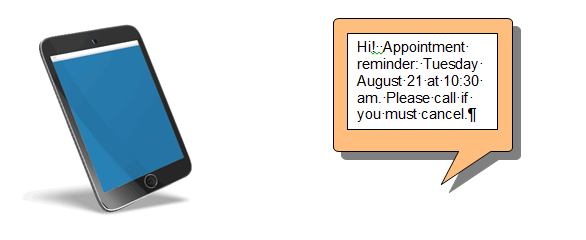
- Appointment reminders
- Basic instructions
- Non-sensitive communication
Higher-risk uses:
- Test results
- Clinical advice
- Sensitive health information
👉 Keep texting administrative, not clinical, unless you have a secure solution.
Consent and Patient Understanding
Patients must understand:
- How texting works in your clinic
- The risks to their privacy
- Their role in protecting their information
This includes:
- Using a personal phone (not shared or work devices)
- Keeping their phone secure
- Updating their contact information
Consent is not just a form—it’s a conversation and an agreement.
Use the Right Technology
Whenever possible:
- Use EMR-integrated messaging
- Avoid personal devices
- Implement role-based access
- Enable audit logs
- Use multi-factor authentication (MFA)
These tools help you:
- Maintain control of patient information
- Improve workflow
- Reduce manual documentation
Don’t Skip the PIA
Before you implement texting or email communication:
👉 Complete or update your Privacy Impact Assessment (PIA)
This doesn’t have to be overwhelming—but it is essential.
Your PIA should describe:
- What you are implementing
- How information flows
- Risks and mitigation strategies
- Policies and procedures
Practical Take-Aways
If you’re thinking about texting patients:
- Start with low-risk uses (appointment reminders)
- Use approved systems—not personal phones
- Define clear rules and workflows
- Train your team using real scenarios
- Document everything
- Review and adjust regularly
Want Help Getting Started?
If you want to go deeper, I’ve created tools to help you implement this safely:
✔ Sample texting authorization forms
✔ Step-by-step procedures
✔ Training resources for your team
✔ PIA guidance and templates
👉 Download the FREE report:
Can You Use Text Messaging with Patients?
👉 Get ongoing support:
Practice Management Success Membership
👉 Join me live:
Q&A with Jean – 2nd Tuesday of each month at 12 noon MT
Final Thought
Texting can absolutely improve access, efficiency, and patient satisfaction.
But it must be done with intention.
Because when it comes to privacy:
When we know better—we can do better.
Jean L. Eaton is constructively obsessive about privacy, confidentiality, and security especially when it comes to the handling of personal health information. If you would like to discuss how I can help your practice, just send me an email. I am here to help you.
Jean L. Eaton
Your Practical Privacy Coach
INFORMATION MANAGERS